MMHP
Technology

No standard path.

Developer, inventor, and manufacturer of precision parts for the automotive industry — no workshop, no vehicle drop-off. Every task starts differently: a failure in the field, a series part at its limit, an idea that doesn't exist yet. That's why the path to each part is forged anew — through the technologies on this page.

25+
Years in the automotive industry
60,000+
Customers worldwide
µm
Tolerances down to the micrometer range
1,000e
Hours of measurement campaigns
01

How we work.

Some steps never leave our hands: everything our know-how is built on, and everything that decides quality. That's why our machine park keeps growing exactly where our own, controlled conditions make us faster and safer. And there are tasks for which highly specialized partners exist — partners we've worked with for many years, as is standard practice in the automotive industry. What never changes: the responsibility for the result stays with us.

Principle 1

The path follows the task

Different starting point, different material, different goal — every project traces its own route through our technologies.

Principle 2

Quality under our own control

Where precision decides service life, we measure and test ourselves — with systems you simply can't buy.

Principle 3

Inventing instead of copying

Where the market has nothing suitable, we develop it ourselves — right up to entirely new product categories.

02

The technology network.

Four real routes through our work

Three starting points, one network of technologies — and every project traces its own route through it. Choose one of the four stories: your route lights up. Every technology tile links, on click, to its section further down.

Overview · Technology networkMMHP · Excerpt
Without a selection, you see the whole network. Tap a story — or hover over it with your mouse.
Excerpt. The complete network — processes, parameters, sequences — belongs to the things we don't publish.
03

We buy engines to take them apart.

Route 01 · Research
Problem in the field Our own metrology Teardown Material analysis

A failure in the field isn't an annoyance to us — it's a research assignment. We buy affected engines, take them apart, and measure every suspect component — until the cause is established. Not the symptom, the cause.

Add to that test vehicles in continuous operation and measurement campaigns in real customer vehicles. We send materials for material analysis and fracture testing until we know exactly where their limits lie. What we learn about engines in the process feeds into every further development — and we share part of it publicly in our knowledge area.

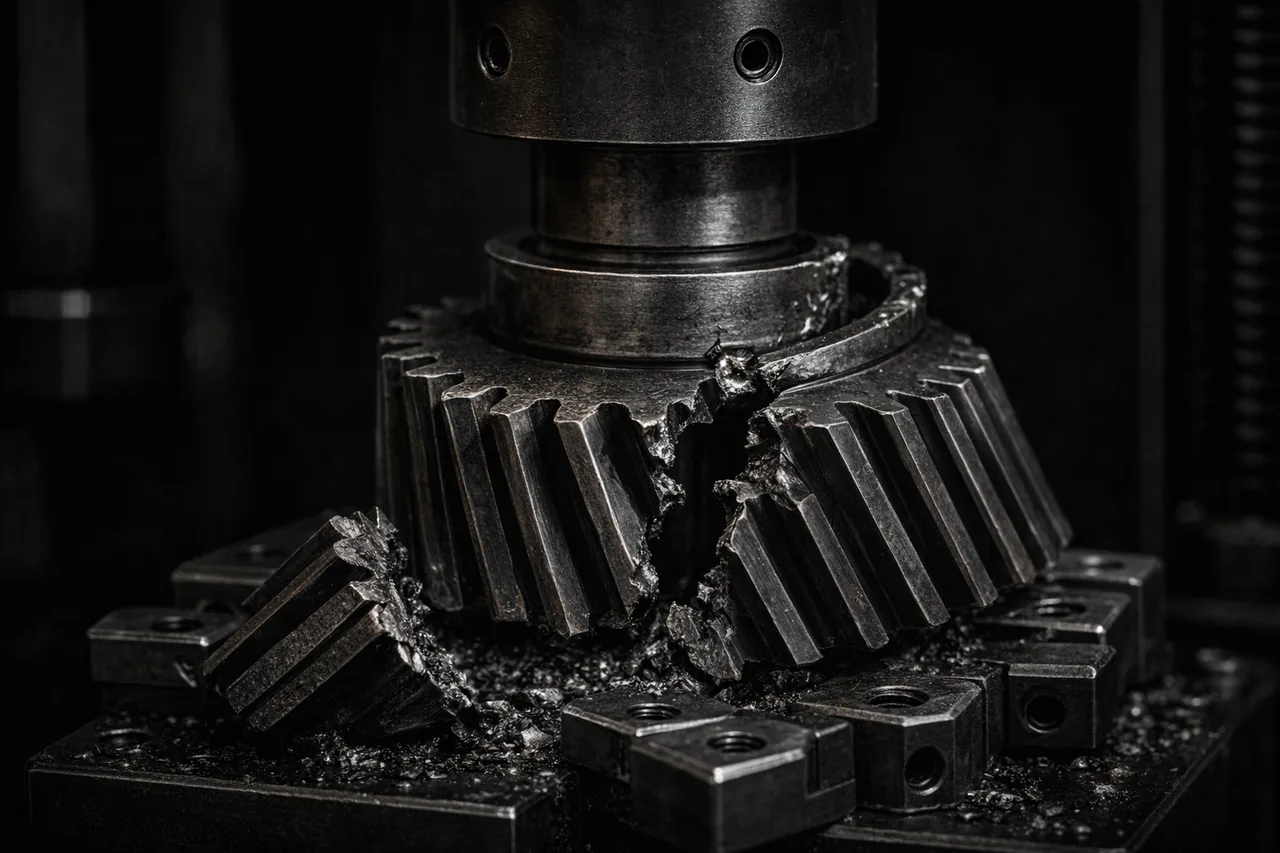
Fractured gear in the load-testing machine
Research · Fracture testRepresentative image
04

Building it better than others accept.

Route 02 · Reverse engineering — the reinforced drive pin
Problem in the field 3D scan CAD 5-axis CNC PVD Test rig

It starts with a series part that wears out too early — like the hexagonal drive pin that drives the oil pump in the 2.0 TDI. It's measured and scanned until every surface exists digitally, together with the installation space it works in. The redesign keeps the installation dimensions and changes what actually matters: the geometry of the contact surfaces, the material, the hardness, the surface.

It's manufactured to tolerances down to the micrometer range, finished among other things with a PVD coating, and released only after the test rig. Which materials, which hardness profiles, which measured values — that we keep to ourselves.

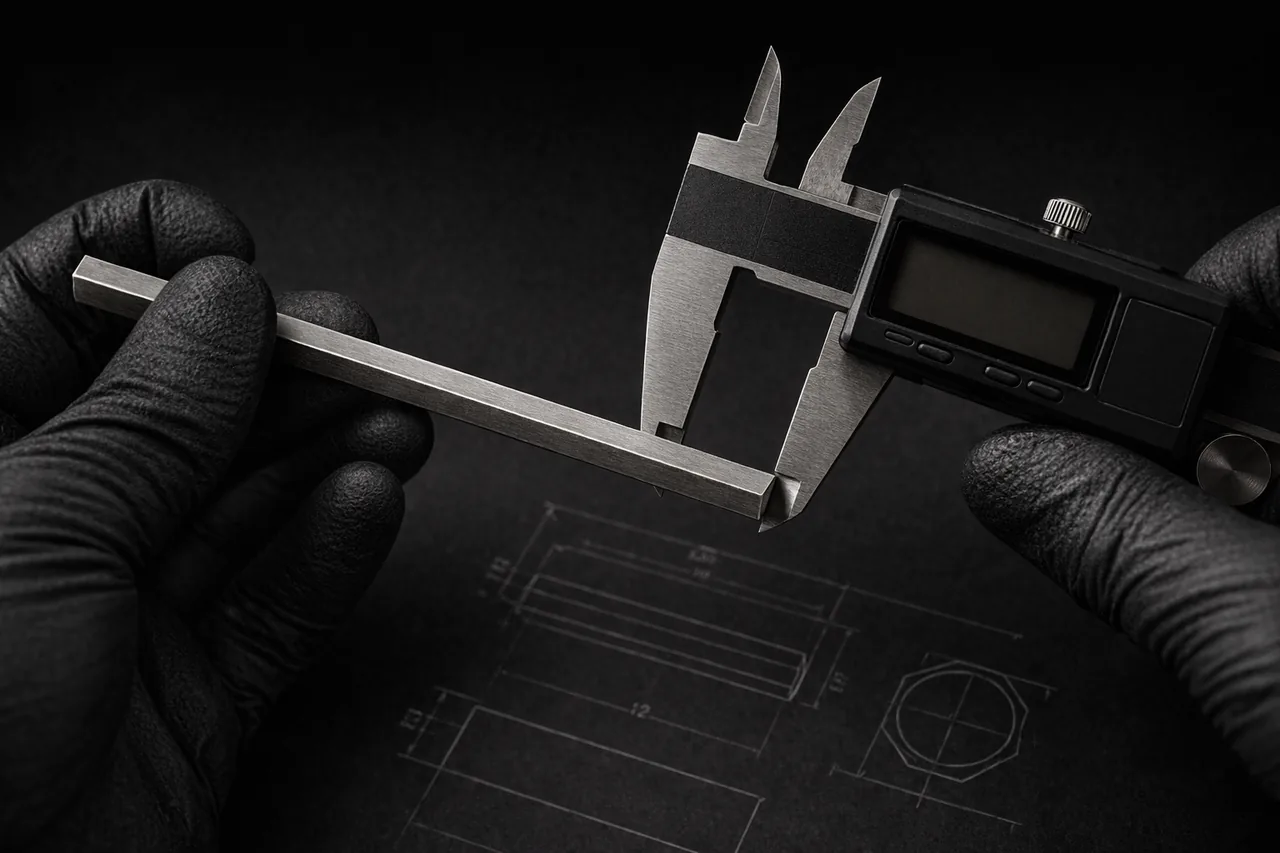
Continuous hexagonal rod in a digital caliper
CAD overlay · MeasurementRepresentative image
Use case · Oil pump drivetrain · SchematicDimensions symbolic
05

What we measure, we can simulate.

Route 03 · In-house metrology & software
Inventing something new Our own metrology Measurement campaigns Simulation

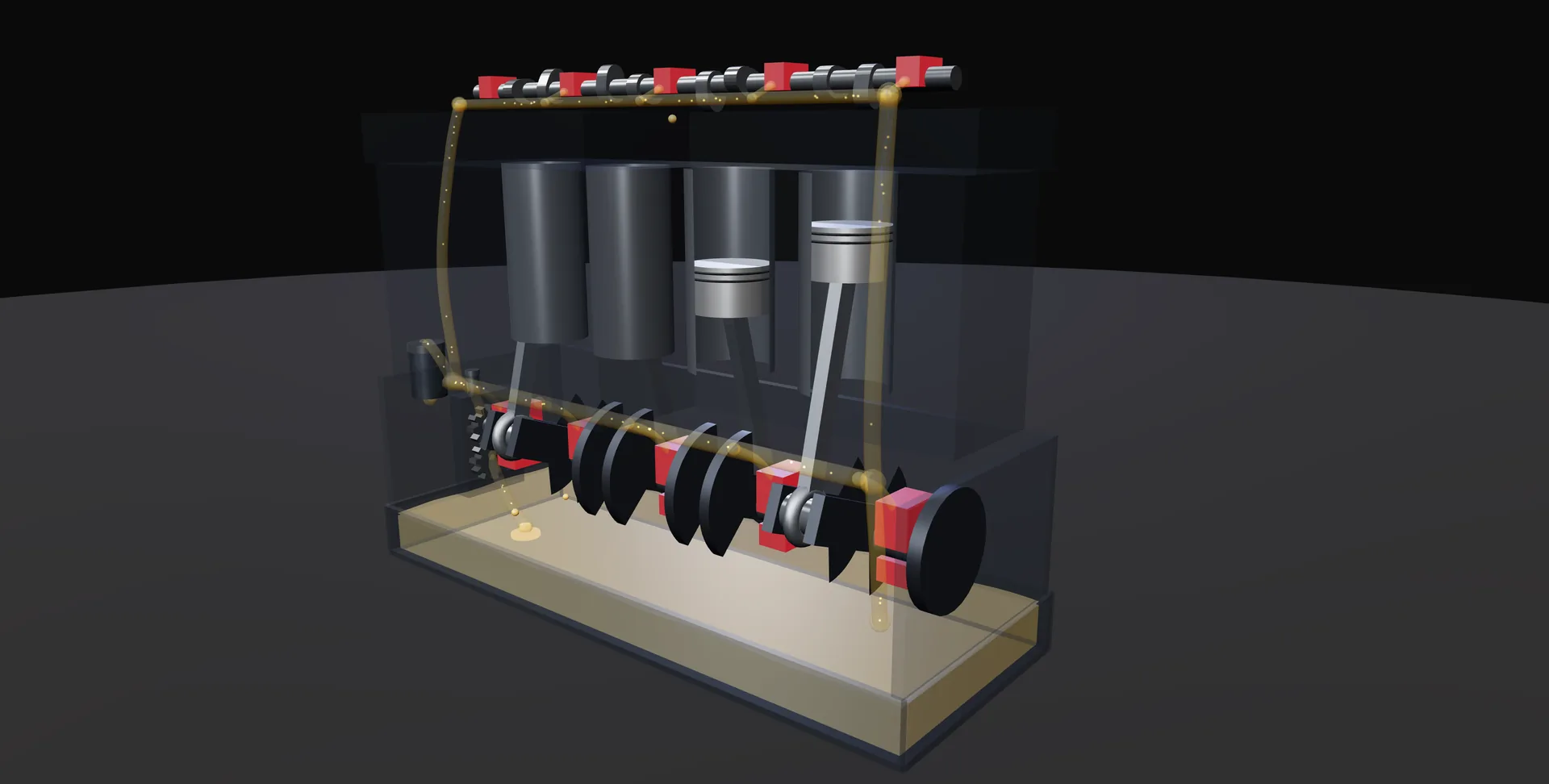
No measurement technology existed for oil pressure that met our standards. So we developed our own — hardware and software — and measured for thousands of hours in real customer vehicles. From this data came a metric of our own and something you can try right here: our interactive simulation of the oil circuit.

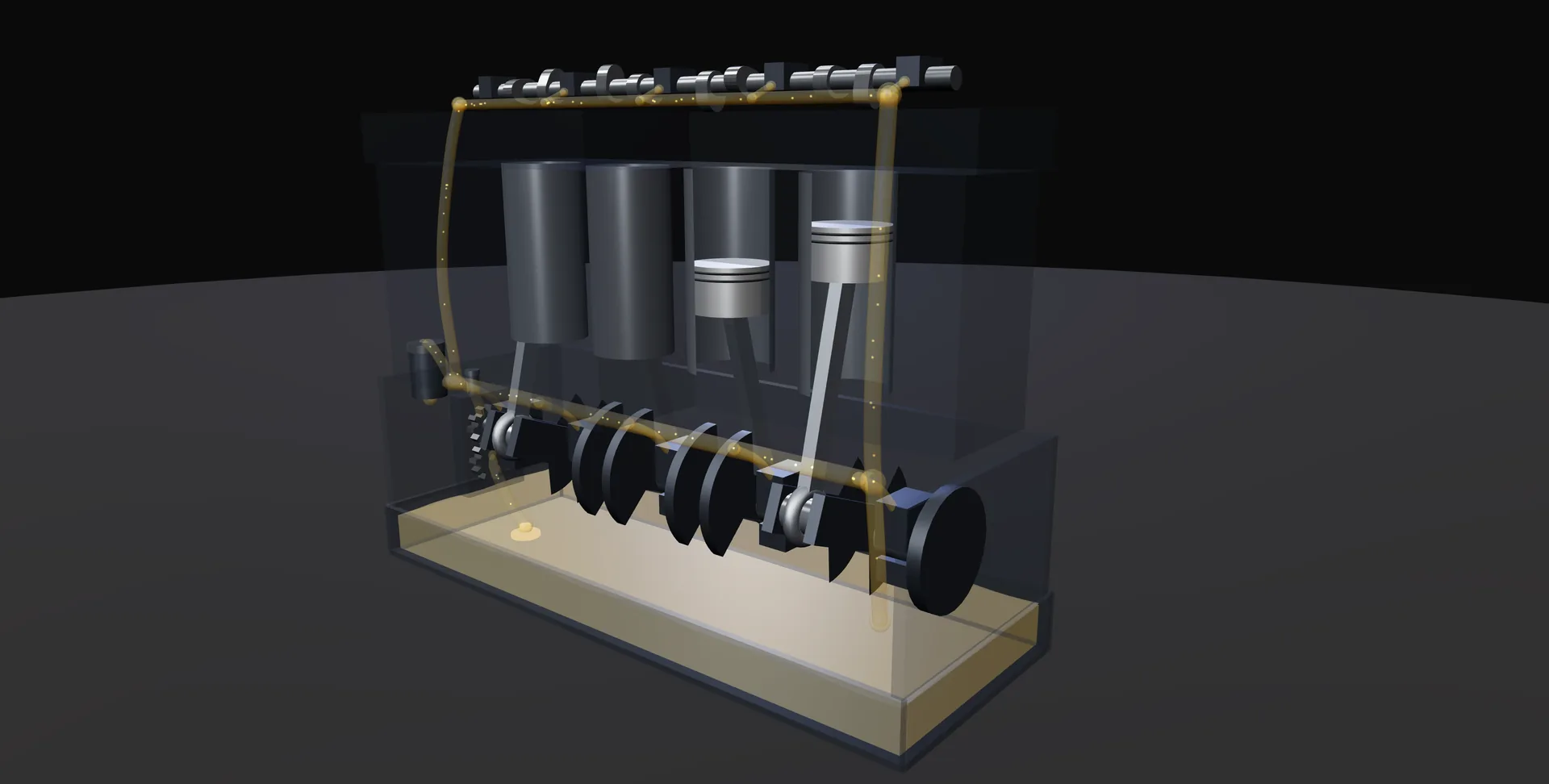
3D cutaway model of the oil circuit in the 2.0 TDI
From our development

The oil circuit of the 2.0 TDI — as an interactive 3D model

Adjust engine speed, compare systems, see for yourself when the oil pressure drops off. In your browser, no sign-up.

Experience the simulation yourself

Best experienced on a desktop or laptop — it runs on mobile, but space gets tight.

06

The next chapter.

Route 04 · In development
Inventing something new Research CAD Prototypes Test vehicles

Our blow-by research has shown how much oil a 2.0 TDI actually burns over its lifetime — and what that means for the engine and particulate filter. The answer to that isn't an improvement of an existing part, but a new product category that doesn't exist on the market yet.

It's currently working its way through our network: design, prototypes, test vehicles. We'll show more once it's ready.

We'll show more once it's ready
07

The technologies in detail.

From the network above — every tile has its section

Tap a technology in the network above, and you land here: a brief explanation of what it can do, what we use it for — and why it makes the difference.

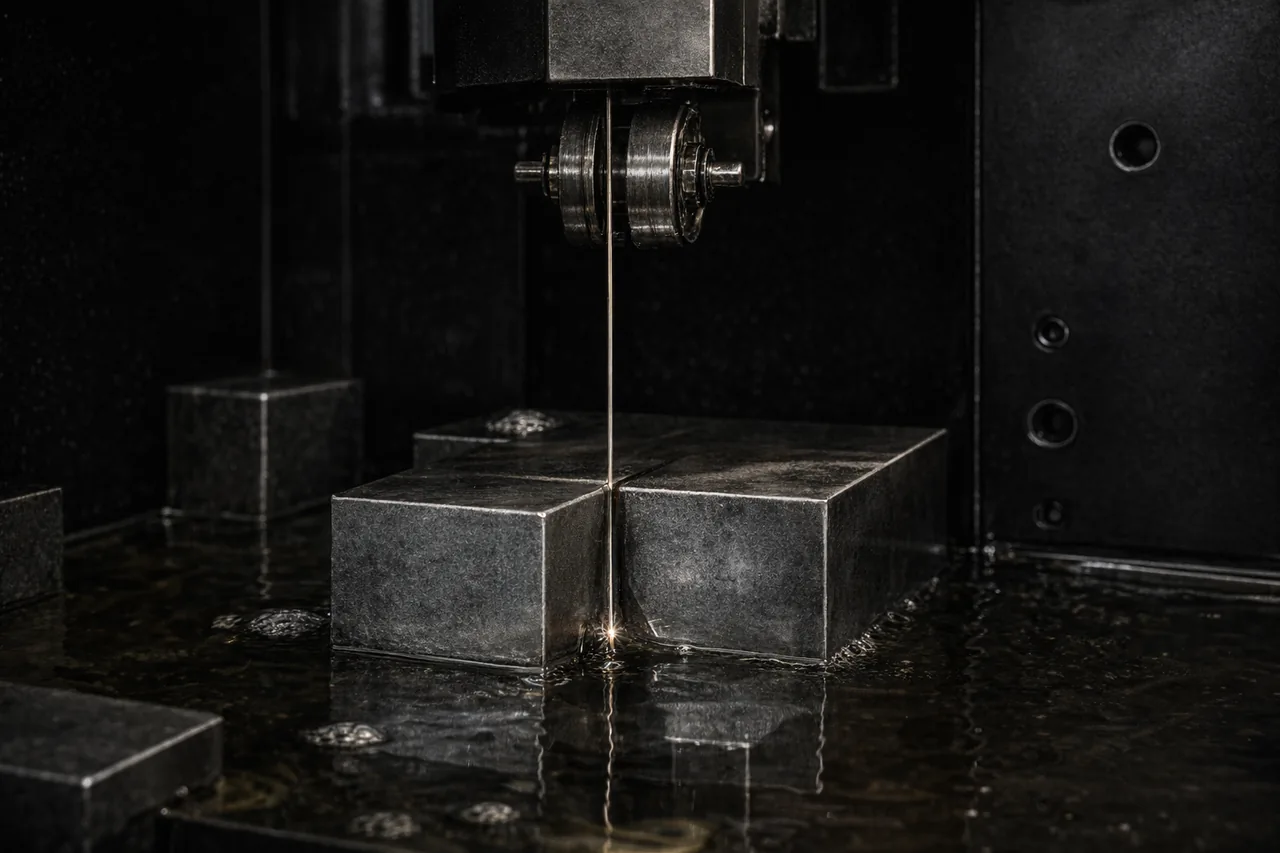
Wire EDM: taut wire in the cutting gap of a steel block
EDM · Wire EDM
EDM

Wire EDM: cutting without touching.

What it is

A hair-thin wire separates metal through thousands of sparks per second — contactless, without pressure, without distortion. Hardness doesn't matter: the spark cuts hardened steel just as precisely as soft aluminum.

What we use it for

For contours no milling cutter can reach: sharp internal corners, fully hardened components, profiles with tolerances in the micrometer range.

Harden first, then cut to final shape — that's how precision survives heat treatment.
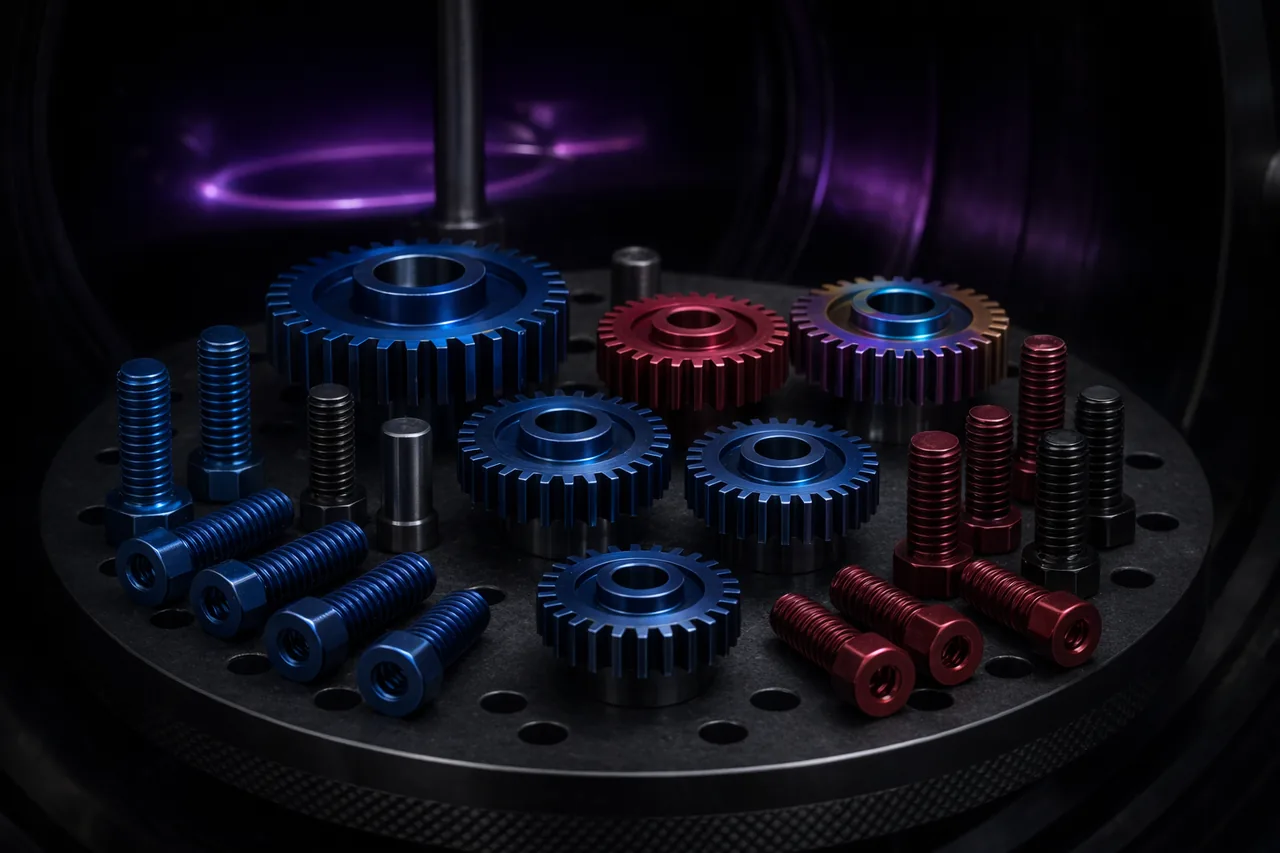
Matte PVD-coated gears and bolts in the vacuum chamber
Surface finishing · PVD
Surface finishing

PVD: thinner than a hair, harder than the steel underneath.

What it is

Hard materials vaporized in a vacuum settle onto the component atomic layer by atomic layer — coatings just a few thousandths of a millimeter thick, firmly bonded to the base material.

What we use it for

For surfaces that work under pressure, temperature, and friction inside the engine for years. The coating absorbs the wear that the base material alone couldn't withstand.

A surface hardness that outperforms the base material many times over — with unchanged installation dimensions.
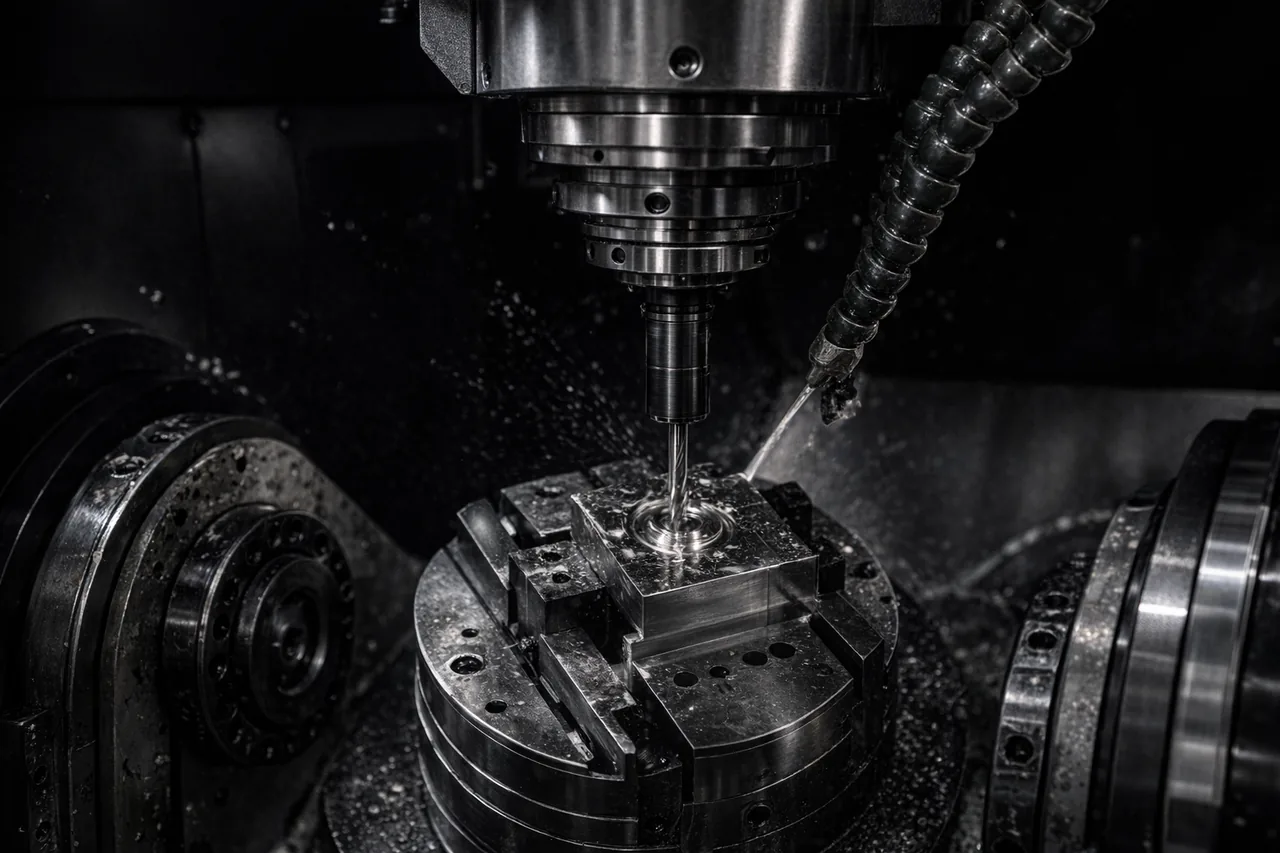
5-axis CNC milling head over a precision part
Machining · 5-axis CNC
Machining

Five axes, one setup.

What it is

The tool moves around the component in five axes simultaneously — complex geometries take shape in a single setup, with no repositioning between operations.

What we use it for

For precision parts in series production: every repositioning would mean a loss of accuracy. This way, the thousandth part stays exactly as precise as the first — with tolerances down to the micrometer range.

Accuracy that never needs reworking — it's achieved in the first pass.
MMHP measurement system in the vehicle
In-house development · MMHP measurement system
In-house development

Measuring what you can't buy.

What it is

Measurement technology from our own development — hardware and software. Built for the engine in real-world operation, not for the lab bench: it rides along in the customer's vehicle and records what series-production sensors can't see.

What we use it for

Thousands of hours of measurement campaigns in real vehicles — the data basis behind our products, our own metric, and the simulation on this page.

From this data came a metric of our own — and the simulator you can experience yourself above.
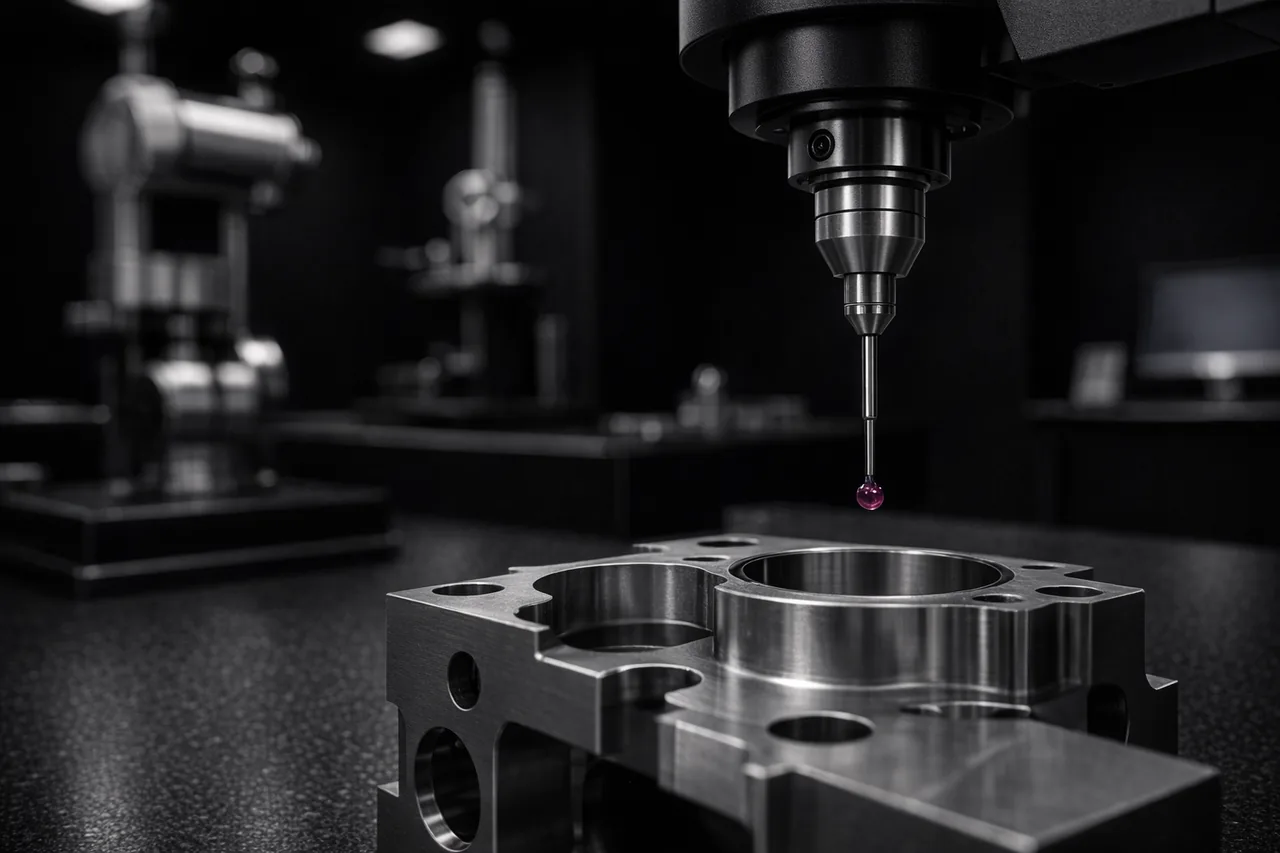
3D probe of a coordinate measuring machine over a precision part
Proof · Measurement room & test rig
Proof

Proven on the test rig — and on the road.

What it is

Test rigs of our own design and test vehicles in continuous operation: real pressures, real temperatures, real engine speeds — not just calculated values.

What we use it for

Every change has to prove itself in measurement, across multiple test series. Not just good once, but reproducibly good — only then is a component released for series production.

What holds up here has already convinced the toughest critic: the measured values.
CAD development

Every component is first created entirely digitally — hundreds of hours of design per project.

Simulation

Loads, flow, motion — verified on the computer before a single gram of metal is machined.

3D scan / reverse engineering

Component and installation space captured digitally — the basis for every improvement.

Material analysis & fracture testing

Materials stressed to their limits — we know when something breaks before the engine finds out.

3D-printed prototypes

Ideas in hand in days instead of weeks — the development process stays fast and dynamic.

Teardown & root-cause analysis

We buy engines to take them apart — understanding causes instead of swapping symptoms.

08

What you won't read here.

Materials, heat treatment, coating parameters, test values: the answers to the most interesting questions are trade secrets. Not out of secrecy for its own sake — out of experience with copycats.

That's why this page deliberately only scratches the surface. The depth is in the products — and in the eGuide our customers receive after purchase.

Engineering drawing · Dimensions subject to know-how protection
09

The complete solution.

At the end of every path stands not a single part, but a thoroughly engineered overall solution: designed so it can be installed worldwide — by professionals and skilled DIY mechanics alike. With everything that belongs to it, right down to one-off tools developed specifically for that one installation.

Building block 1

Engineered through to the tool

Every component in the right specification, every supply chain qualified — including one-off tools wherever the installation calls for them.

Building block 2

The eGuide

After purchase, the internal area of our knowledge portal opens up: the installation step by step — plus development know-how that supports durability beyond the product itself.

Building block 3

Support from the developers

If questions come up after installation, you don't get a canned answer — you get the knowledge of the people who built the product.